
Transform Your Week with Smart Meal Prep
Discover how proper meal planning can simplify your cooking routine, save time, and help you maintain balanced nutrition throughout the week. Our community-driven guides make meal prep accessible for everyone, from busy professionals to growing families.
The information on this site is for educational purposes only and does not constitute medical advice. Always consult a qualified healthcare professional before making health decisions.
Why Beginners Love Our System
Practical benefits that make meal prep sustainable and enjoyable
Save Time Daily
Spend a few hours on Sunday preparing meals for the entire week. Reduce daily cooking stress and reclaim precious time for family, work, or yourself.
Better Food Choices
When healthy meals are ready, you're less likely to reach for convenience foods. Consistent nutrition patterns help you feel energized throughout the week.
Reduce Food Waste
Intentional shopping with a meal plan means fewer forgotten ingredients. Smart storage techniques keep ingredients fresh longer and stretch your grocery budget.
Variety Without Stress
Our ingredient pairing guides help you create different flavour combinations from a simple pantry. Mix and match recipes to keep your palate interested.
Sustainable Habits
Meal prep teaches cooking fundamentals and kitchen confidence. Start with simple recipes and gradually build a lifetime of practical culinary skills.
Supports Active Lifestyles
Whether you exercise regularly or manage a busy schedule, prepared meals ensure proper nutrition without complicated planning each day.
Your 5-Step Meal Prep Journey
Follow this simple process to master meal preparation
Plan Your Week
Review your schedule and decide how many meals you'll prepare. Start with 3 lunches and 3 dinners if you're new to meal prep. Consider your food preferences and any dietary choices that matter to you.
Make Your Shopping List
Choose simple recipes with overlapping ingredients to minimize waste. Check your pantry first so you don't duplicate items. Organize your list by grocery store sections for faster shopping.
Prep Your Ingredients
Wash, chop, and portion your ingredients before cooking. Batch-prepare grains and proteins (rice, chicken, beans) while you prepare vegetables. This approach reduces the time needed when actually combining recipes.
Cook and Combine
Follow your recipes step-by-step using your prepped ingredients. Consider cooking times and oven space—plan which dishes cook simultaneously. Cool meals completely before storing to maintain food safety.
Store and Label
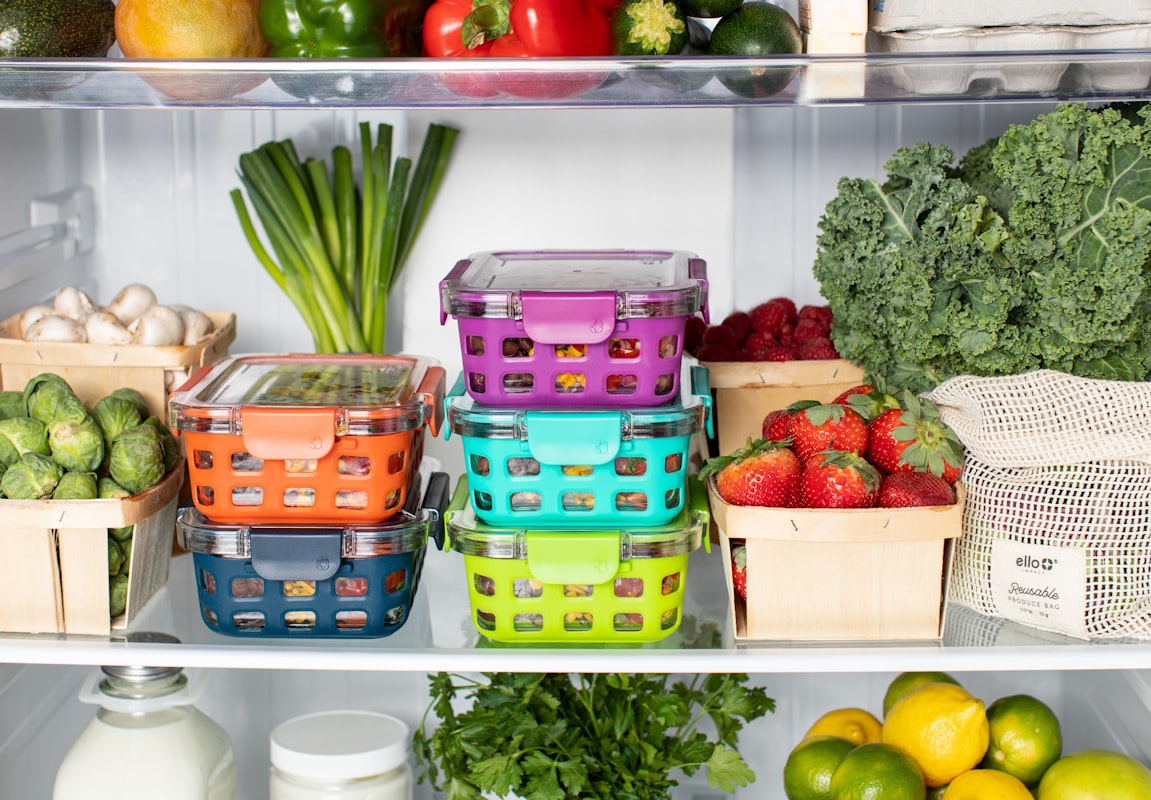
Portion meals into glass containers with tight lids. Label each container with the dish name and date prepared. Most meals keep 3–4 days refrigerated. Freeze extras for later in the week if needed.
Enjoy and Reflect
Take time during the week to enjoy your prepared meals without stress. Notice what worked well and what you'd adjust next week. This feedback loop is how you develop your personal meal prep style.
Real Stories from Our Community
See how meal prep has made a difference in busy UK households
"I used to stress every evening about what to cook. Now I spend a couple of hours on Sunday and have peace of mind all week. The recipes are simple and genuinely taste good. My partner and I actually enjoy our meals more now."
Sarah Mitchell
Manchester
"As someone who works full-time and parents two young children, meal prep has been a game-changer. I've cut my grocery spending, reduced food waste, and my kids actually eat better when meals are ready and waiting. The tips on storage have been invaluable."
James Patel
Birmingham
"I'm training for a marathon and needed a reliable way to fuel properly. Meal prep means I always have balanced options ready, which has improved my energy levels during training. The guidance here is practical and not overcomplicated."
Emma Davies
Bristol
Cooking Fundamentals for Meal Prep Success
Proper cooking technique makes meal prep faster and results in tastier, safer food. Our detailed guides break down essential skills like roasting, sautéing, and batch cooking so you can build confidence in the kitchen.
- Master basic knife skills to speed up prep work
- Learn proper food storage and safety guidelines
- Understand cooking times and temperature control
- Discover flavour-building techniques with common ingredients
Frequently Asked Questions
Get answers to common meal prep questions from our community
Most people spend 2–3 hours preparing meals for a full week. This varies based on how many meals you're making and your cooking experience. Beginners might need 3–4 hours initially, but as you develop a system and get faster with knife skills, you'll likely trim time down. Many find that setting aside 2.5 hours on a Sunday or Wednesday afternoon works perfectly. The key is that this concentrated effort prevents daily cooking stress throughout the week.
Most cooked meals keep safely for 3–4 days when stored in airtight containers at or below 4°C. Meals containing fish should be consumed within 2–3 days. For longer storage, many people freeze portions in portioned containers and defrost them during the week as needed. Proper cooling before storage is essential—let hot meals come to room temperature before refrigerating to maintain food safety and container integrity. Always check your meals for any signs of spoilage before eating.
Absolutely. If your schedule changes frequently, consider preparing components rather than complete meals. Cook your proteins, grains, and vegetables separately so you can mix and match them throughout the week based on your actual plans. You might prepare 5 different proteins and 4 different sides, then combine them fresh as needed. This approach gives you flexibility while still capturing the time-saving benefits of batch cooking. Alternatively, prepare meals you can easily freeze and reheat on busier days.
You have several options. Prepare multiple different recipes rather than making only one or two meals in bulk. This requires slightly more effort but keeps your palate interested. Another approach is to change how you serve the same ingredients—the same roasted vegetables and chicken can become a salad one day, a grain bowl the next, and a wrap the day after. Add different sauces and seasonings to make each feel distinct. Many people find that even eating the same meal 3 times per week is manageable and still saves significant time compared to daily cooking.
Glass containers with airtight lids are ideal because they're durable, don't absorb stains or odours, withstand temperature changes, and last for years. They also work well for reheating in the microwave. If you prefer lightweight options, high-quality plastic containers designed for food storage work fine too. Avoid flimsy disposable containers as they don't seal as effectively. For freezing, ensure your containers are freezer-safe. Label everything with the meal name and date prepared so you use older meals first. Investing in good containers pays off quickly through reduced waste and better meal organisation.
Yes, meal prep typically reduces costs because you plan purchases carefully and avoid impulse buys. You also minimise food waste since all ingredients are used intentionally. Buying some items in bulk—like grains and frozen vegetables—further improves value. Because meals are ready, you're less likely to purchase convenience foods or eat out when tired. Many people report saving 20–30% on their food budget after establishing a meal prep routine. The time savings alone often justifies the effort, but the financial benefit is a welcome bonus for most households.
Stay Connected with Our Community
Get weekly meal prep tips and recipe ideas delivered to your inbox
We send practical meal prep advice roughly twice per week. No spam, just useful content for your kitchen.
Ready to Start Your Meal Prep Journey?
Browse our collection of beginner-friendly recipes, learn proper storage techniques, and join thousands of people who've simplified their cooking routine. Everything you need is available in our free guides and community resources.